
What Double Bay Property Buyers Agents Look For In Heritage Homes
They also know that two similar-looking homes can have very different approvals history, construction quality, and ongoing costs. That is why their checks tend to be methodical, document-heavy, and grounded in local planning realities.
What makes a heritage home in Double Bay truly “heritage”?
A heritage home is not defined by age alone. For Double Bay property buyers agents, it is defined by how the property is listed and controlled under local planning rules, usually through Woollahra Municipal Council and State Heritage frameworks.
Double Bay property buyers agents confirm whether the property is a heritage item, within a heritage conservation area, or simply “character” housing with no formal listing. That single distinction can change renovation scope, timelines, and resale appeal.
How do they confirm heritage listing and restrictions before making an offer?
They confirm restrictions by reviewing the LEP and DCP controls, heritage schedules, and any available heritage studies. They also check previous approvals, refused applications, and any correspondence trail that hints at what Council will or will not support.
In practice, Double Bay property buyers agents will often ask for the contract, planning certificates, and any prior DA documentation early. If the paperwork is thin, they treat that as a risk signal rather than a neutral detail.
What do they look for in the façade, roofline, and street presentation?
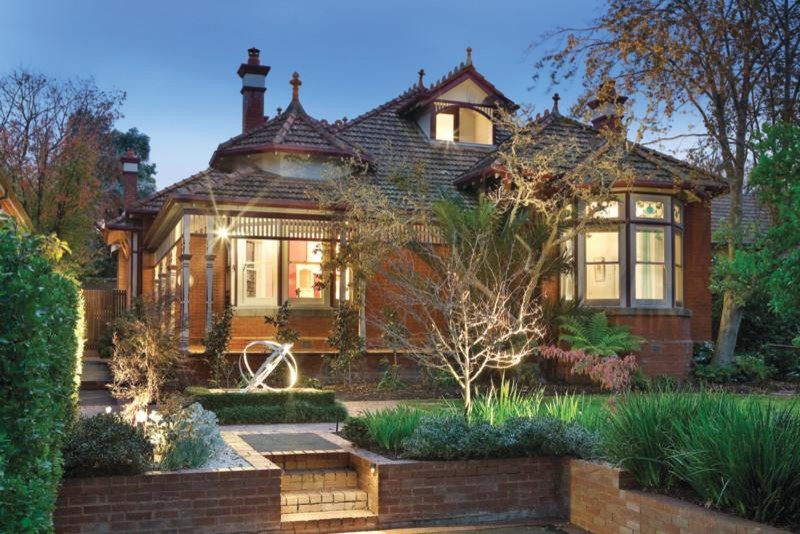
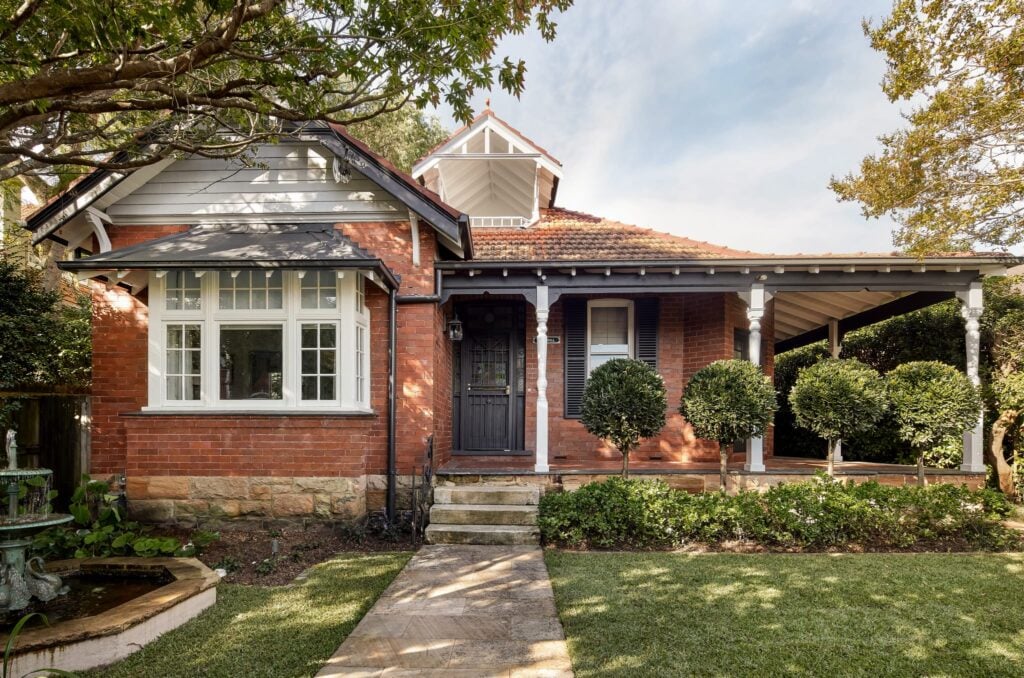
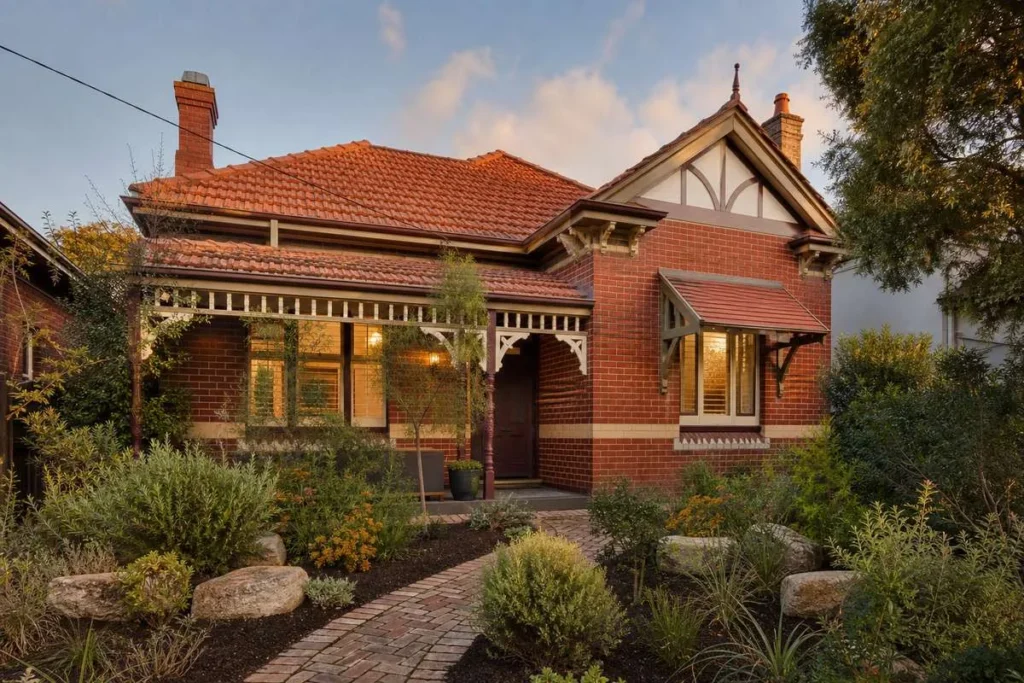
They look for authenticity and integrity, not just “pretty.” Original masonry, verandahs, iron lacework, tuckpointing, and roof forms can carry value, but only if they are structurally sound and not hiding shortcuts.
Double Bay property buyers agents also think about the streetscape. In Double Bay, a heritage home that fits the rhythm of the street can attract stronger buyer competition later, especially where conservation character is a major drawcard.
How do they assess structural condition without being fooled by cosmetics?
They assume cosmetic updates can hide expensive problems. Cracking, uneven floors, moisture ingress, subfloor ventilation, and past patchwork are scrutinised because repairs in heritage homes can be specialised and costly.
Their approach is to line up building and pest inspections with a heritage mindset. Double Bay property buyers agents often prefer inspectors experienced with older Sydney housing stock, where movement, damp, and timber issues behave differently than in newer builds.
What renovation “red flags” matter most in heritage homes?
Unapproved works are a major concern. A modern kitchen is not a win if it came with removed walls, altered roof structures, or changed openings without approval, particularly when heritage controls apply.
They also watch for inappropriate materials that may cause future headaches, like sealed walls that trap moisture. Double Bay property buyers agents generally prefer evidence of careful, compliant upgrades over fast flips with glossy finishes.
How do they evaluate the approvals trail and renovation potential?
They look for a clean chain of approvals and a realistic pathway for future works. That includes whether past DAs were granted quickly, required heritage reports, or triggered neighbour objections.
For buyers planning extensions, Double Bay property buyers agents consider setbacks, height, floor space ratios, and the practical difficulty of gaining heritage sign-off. They also factor in likely design constraints, such as keeping front rooms intact while adding to the rear.
What role do heritage consultants and specialist trades play in the decision?
They can make or break the project economics. Heritage architects, conservation consultants, and specialist builders can add cost, but they often reduce risk by designing within the rules and anticipating Council requirements.
Double Bay property buyers agents tend to price in the reality of specialist trades, including lead times. In Sydney, high-demand trades and limited conservation skills can stretch timelines, which affects holding costs and renovation sequencing.
How do they check for moisture, drainage, and ventilation issues near the harbour?
They treat water management as a priority because older homes often lack modern damp-proofing and drainage. Poor stormwater systems, blocked subfloor vents, and gardens sloping toward the house can create chronic moisture issues.
Property buyers agents Dover Heights look for signs like salt staining, bubbling paint, musty odours, and subfloor timber degradation. They also consider how coastal air and weather exposure may accelerate maintenance cycles.
What do they look for in layouts, ceiling heights, and liveability?
They look for proportions that still work for modern living. High ceilings, generous hallway widths, and well-sized rooms can be strengths, but cramped bathrooms, poor storage, and awkward circulation can limit appeal.
In many Double Bay heritage homes, the best outcome is a layout that preserves front-room formality while allowing open-plan living at the rear. Double Bay property buyers agents assess whether that transition is feasible without compromising heritage fabric.
How do they judge land value, orientation, and outdoor space in Double Bay?
They separate the home’s charm from the land’s fundamentals. Orientation, privacy, and the ability to create usable outdoor areas matter because many buyers want both heritage character and lifestyle function.
Double Bay property buyers agents also look at parking, access, and steep sites. In established pockets, a small improvement in access or courtyard usability can shift buyer demand noticeably, especially when comparable stock is limited.
How do they factor in ongoing costs like maintenance and insurance?
They assume heritage homes cost more to maintain, then test whether the numbers still stack up. Roof repairs, repainting, timber restoration, and masonry upkeep can be recurring, not one-off.
Insurance can also be more nuanced where replacement requires like-for-like materials and specialist labour. Double Bay property buyers agents encourage buyers to view maintenance as part of the “purchase price over time,” not an afterthought.
What legal and contract checks help reduce risk with heritage properties?
They look closely at title, easements, encroachments, and any heritage-related notifications. They also confirm what inclusions are actually included, especially where older homes have bespoke fittings that may be excluded.
Contract reviews are not just legal formality in this category. Double Bay property buyers agents want clarity on approvals, disputes, and any conditions that could delay settlement or complicate renovation plans.
How do they benchmark value against comparable heritage sales?
They compare like with like, which is harder than it sounds. Two terrace-style homes may have very different restoration quality, land component, and approvals history, and those differences can swing pricing materially.
They track recent sales across Double Bay and nearby Eastern Suburbs pockets, then adjust for street quality, aspect, parking, and renovation standard. Double Bay property buyers agents also watch buyer sentiment, because heritage demand can spike when character stock is scarce.
What intangible “feel” factors still matter when everything checks out?
They still pay attention to light, quiet, and how the home presents on arrival. In Double Bay, subtle factors like street noise, neighbour sightlines, and morning sun can influence long-term satisfaction and resale demand.
They also weigh heritage “romance” against practicality. A home can be architecturally special, but if the day-to-day function is compromised and upgrades are constrained, buyers may face limits later.
What should buyers prepare if they want to purchase a heritage home in Double Bay?
They should be ready with clear priorities, a realistic renovation appetite, and patience for approvals. Heritage homes reward careful planning more than quick decisions.
Most importantly, the best outcomes tend to come when buyers treat due diligence as a project in itself. When done properly, heritage character and modern comfort can coexist, and the purchase can feel both emotionally right and financially defensible.
FAQs (Frequently Asked Questions)
What defines a heritage home in Double Bay beyond just its age?
A heritage home in Double Bay is defined not merely by its age but by how it is listed and controlled under local planning rules, typically through Woollahra Municipal Council and State Heritage frameworks. It can be classified as a heritage item, located within a heritage conservation area, or simply as character housing without formal listing. This classification significantly influences renovation possibilities, timelines, and resale appeal.
How do Double Bay property buyers agents verify heritage listings and restrictions before purchase?
They conduct thorough reviews of the Local Environmental Plan (LEP), Development Control Plan (DCP) controls, heritage schedules, and any available heritage studies. They examine previous approvals, refused applications, and correspondence that reveal Council’s stance on modifications. Early requests for contracts, planning certificates, and prior Development Application (DA) documentation help identify risks associated with incomplete paperwork.
What aspects of the façade and street presentation are important when assessing a heritage home?
Agents look for authenticity and structural integrity in original features such as masonry, verandahs, iron lacework, tuckpointing, and roof forms rather than just aesthetic appeal. Additionally, they consider how well the home fits into the streetscape rhythm since a heritage home that complements its surroundings tends to attract stronger buyer interest in Double Bay’s conservation-focused areas.
How is structural condition assessed in heritage homes to avoid being misled by cosmetic updates?
Double Bay property buyers agents assume that cosmetic improvements may conceal significant issues like cracking, uneven floors, moisture ingress, poor subfloor ventilation, or past patchwork repairs. They align building and pest inspections with a heritage perspective and prefer inspectors experienced with older Sydney housing stock to accurately identify movement, dampness, and timber-related problems unique to these properties.
What renovation red flags do agents watch for in Double Bay heritage homes?
Unapproved works are a major concern—modern upgrades like kitchens might be appealing but problematic if they involve unauthorized removal of walls, altered roof structures or openings especially under strict heritage controls. Agents also caution against inappropriate materials such as sealed walls that trap moisture. Preference is given to evidence of careful, compliant renovations over rapid flips with superficial finishes.
How do buyers agents evaluate the approvals trail and future renovation potential for heritage properties?
They seek a clean chain of approvals with realistic pathways for future works by reviewing past Development Applications (DAs), their approval speed, required heritage reports, and any neighbour objections. Considerations include setbacks, height limits, floor space ratios, and challenges in obtaining heritage sign-off. Agents also factor in design constraints like preserving front rooms while enabling rear extensions to ensure feasible renovation plans.