
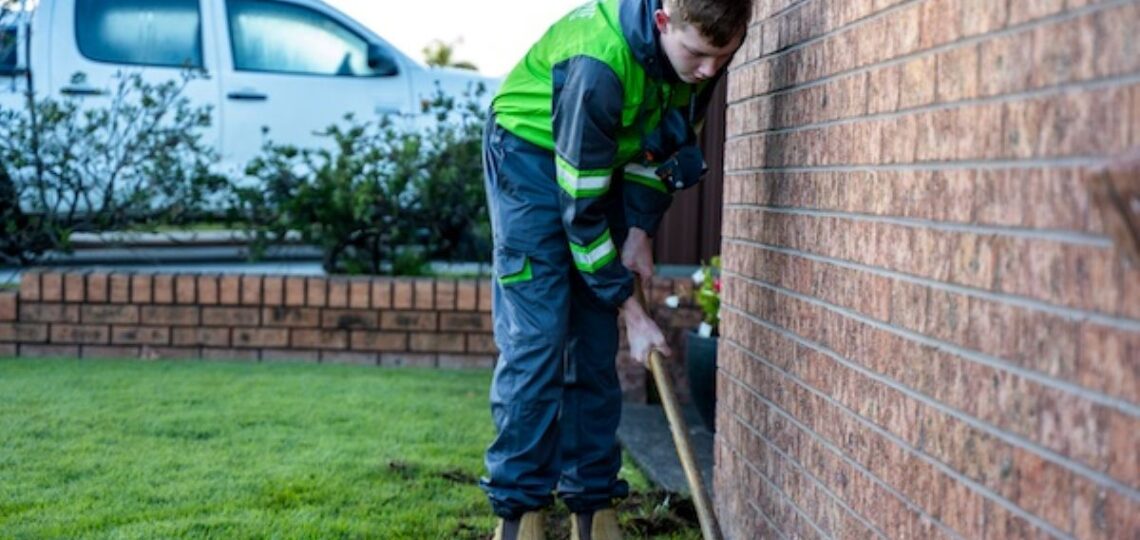
Termite Removal After Detection: What Sydney Owners Should Expect
What happens next depends on the species, where they are entering, how far they have spread, and how accessible the affected areas are.
What should owners do immediately after termites are detected?
They should avoid disturbing the area and arrange a qualified inspection as soon as possible for effective termite removal. Spraying household insecticides, pulling out damaged timber, or ripping into walls can cause termites to retreat and spread, making the colony harder to eliminate.
They should also note where activity was seen, keep the space accessible, and prepare any building plans or past pest reports that might help the assessment.
How is the infestation confirmed and mapped out?
They should expect a detailed inspection that looks beyond the visible damage. A technician typically checks subfloor spaces, roof voids, internal walls, garden timbers, fences, and moisture-prone zones like bathrooms and laundries.
Depending on the property, they may use tools such as moisture meters, thermal imaging, or tapping and sounding methods to identify likely galleries. The goal is to locate active workings, potential entry points, and the conditions that are supporting the infestation.
What termite removal methods are commonly used in Sydney?
They should expect one or a combination of baiting, chemical soil treatments, dusting, or timber treatments, chosen to match the property and termite behaviour. Subterranean termites are common in Sydney, so treatments often focus on stopping termites travelling between soil and structure.
A reputable provider usually explains why a method is recommended, what it can and cannot do, and what results can realistically be expected over time.
What happens with termite baiting, and how long does it take?
They should expect baiting to be a managed process rather than an instant kill. Bait stations are installed in the ground or directly in active workings, then monitored and replenished so termites share the active ingredient throughout the colony.
Timeframes vary. Some colonies decline within weeks, while others take months depending on weather, food availability, and how quickly termites feed on the bait. Owners should expect regular follow-ups as part of the treatment plan.
What should owners expect from a chemical barrier treatment?
They should expect a technician to create a treated zone designed to block or kill termites as they attempt to enter the building. This can involve trenching and treating soil around the perimeter, treating subfloor areas, or drilling through concrete paths, driveways, or slabs to inject termiticide.
There may be noise, drilling dust, and temporary access limits around the treated perimeter. They should also expect clear guidance on curing times and any precautions for pets and children.
Will walls, floors, or gardens need to be disturbed?
They should plan for some level of disruption, but it depends on access. If termites are entering under a slab or through concealed perimeter areas, drilling may be necessary. If access is good, disruption can be minimal, limited to garden edging, small trenches, or lifting select pavers.
Inside, removal work is usually targeted. Technicians do not typically “gut” rooms, but they may need to open a small area to confirm activity, apply dust, or treat timbers properly. Read more about Verge Gardens.
What happens to the damaged timber after treatment?
They should expect treatment to focus on stopping termites first, then assessing structural safety. Once termites are controlled, a technician or builder can advise what needs repair or replacement, especially for load-bearing members like studs, joists, bearers, or trusses.
Cosmetic damage like skirting boards may be replaced later, but structural elements should be evaluated promptly. Owners should not assume timber is sound just because it looks intact on the surface.
How much does termite removal typically cost, and what affects the price?
They should expect pricing to vary widely based on property size, construction type, access, treatment method, and the level of infestation. A straightforward baiting programme may cost less upfront but requires ongoing monitoring, while chemical barriers can be more intensive on day one.
Other cost drivers include drilling through concrete, difficult subfloor access, multiple buildings on one site, and the need for both colony elimination and perimeter protection. Learn more about Termite Control Penrith: why Western Sydney properties face higher risk.
How do they know the termites are actually gone?
They should expect evidence-based confirmation, not guesswork. For baiting, this may include reduced feeding, cessation of activity in previously active zones, and sustained non-detection over multiple visits. For barriers, confirmation focuses on eliminating active workings and establishing a continuous treated zone.
Even then, “gone” usually means the active infestation is controlled and risk is reduced, not that the broader environment is termite-free.
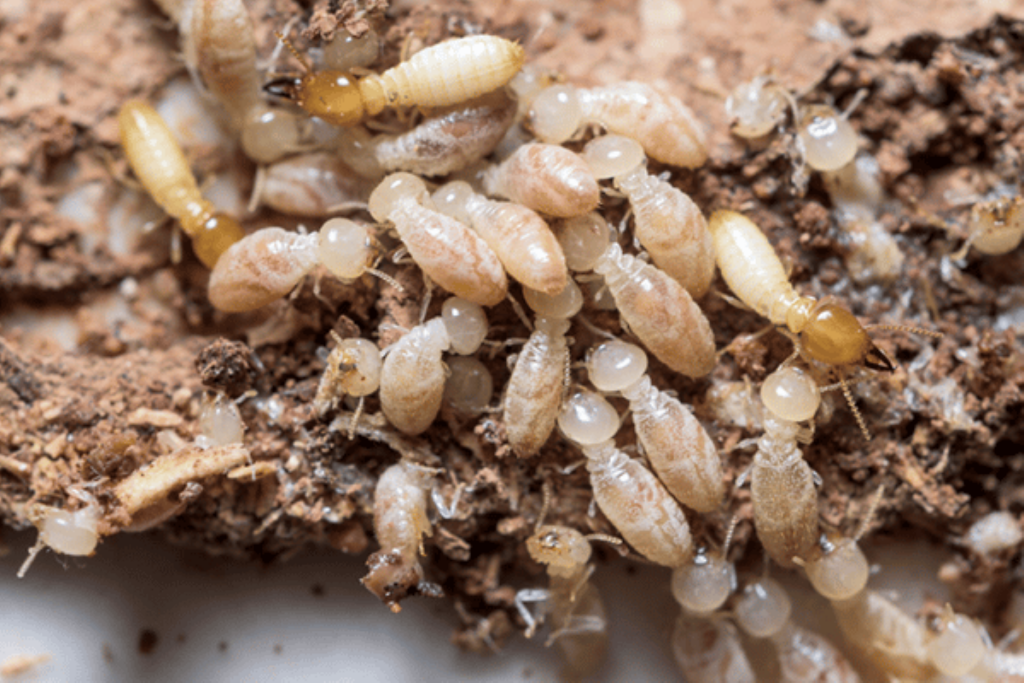
What follow-up and monitoring should owners expect after removal?
They should expect follow-up as a core part of the service. Termite management in Sydney typically involves scheduled re-inspections and, for baiting systems, ongoing station checks and maintenance.
A good plan also includes practical recommendations: fixing leaks, improving subfloor ventilation, reducing timber-to-soil contact, managing drainage, and keeping weep holes clear. The aim is to make the home less attractive and easier to inspect.
What can owners do to reduce the chance of termites returning?
They should treat termite prevention as ongoing maintenance. Keeping moisture under control is one of the biggest wins, along with removing stored timber against walls, maintaining garden beds below weep holes, and ensuring decks, pergolas, and fences are not creating hidden entry routes.
They should also keep to routine inspections, especially after renovations, landscaping changes, or major storms, because those changes can create new pathways and damp zones that termites exploit.
FAQs (Frequently Asked Questions)
What immediate steps should Sydney homeowners take after detecting termites?
Homeowners should avoid disturbing the affected area and promptly arrange a qualified termite inspection. Using household insecticides, removing damaged timber, or opening walls can cause termites to retreat and spread, complicating elimination efforts. They should also note the locations of activity, keep the space accessible, and prepare any building plans or past pest reports to assist the assessment.
How do professionals confirm and assess the extent of a termite infestation?
A detailed inspection is conducted that goes beyond visible damage, including checking subfloor spaces, roof voids, internal walls, garden timbers, fences, and moisture-prone areas like bathrooms and laundries. Technicians may use moisture meters, thermal imaging, tapping, and sounding methods to locate active galleries, entry points, and conditions supporting the infestation.
What are the common termite removal methods used in Sydney properties?
Treatment methods include baiting systems, chemical soil treatments, dusting, and timber treatments tailored to the property and termite behaviour. Since subterranean termites are prevalent in Sydney, treatments often focus on interrupting termite travel between soil and structure. Reputable providers explain why a method is recommended and what results can be realistically expected over time.
How does termite baiting work and what is the typical duration for colony control?
Termite baiting involves installing bait stations in the ground or directly in active workings. These stations are regularly monitored and replenished so termites share the active ingredient throughout the colony. Colony decline can take weeks to months depending on weather, food availability, and feeding rates. Regular follow-ups are an essential part of this managed process.
What should homeowners expect during chemical barrier treatments against termites?
Technicians create treated zones designed to block or kill termites attempting to enter buildings by trenching and treating soil around perimeters, treating subfloor areas or drilling through concrete paths or slabs to inject termiticide. Homeowners may experience noise, drilling dust, temporary access restrictions around treated areas, along with clear guidance on curing times and precautions for pets and children.
How important is follow-up monitoring after termite treatment in Sydney homes?
Follow-up monitoring is a core component of effective termite management. Scheduled re-inspections ensure ongoing control; for baiting systems this includes station checks and maintenance. Good plans also recommend practical measures such as fixing leaks, improving subfloor ventilation, reducing timber-to-soil contact, managing drainage and keeping weep holes clear to reduce attractiveness to termites and facilitate inspections.